Blog Details
14Oct
Slow Travel in Kathmandu: Discovering the Valley One Day at a Time
Kathmandu Valley is often explored through tightly packed itineraries that attempt to cover several UNESCO World Heritage Sites in a single day. While this approach allows visitors to see many famous landmarks, it can leave little time to appreciate the details that make each place distinctive. A temple's wood carvings, a quiet monastery courtyard, the activity of a traditional market or the rhythm of daily prayers can easily become brief stops between destinations.
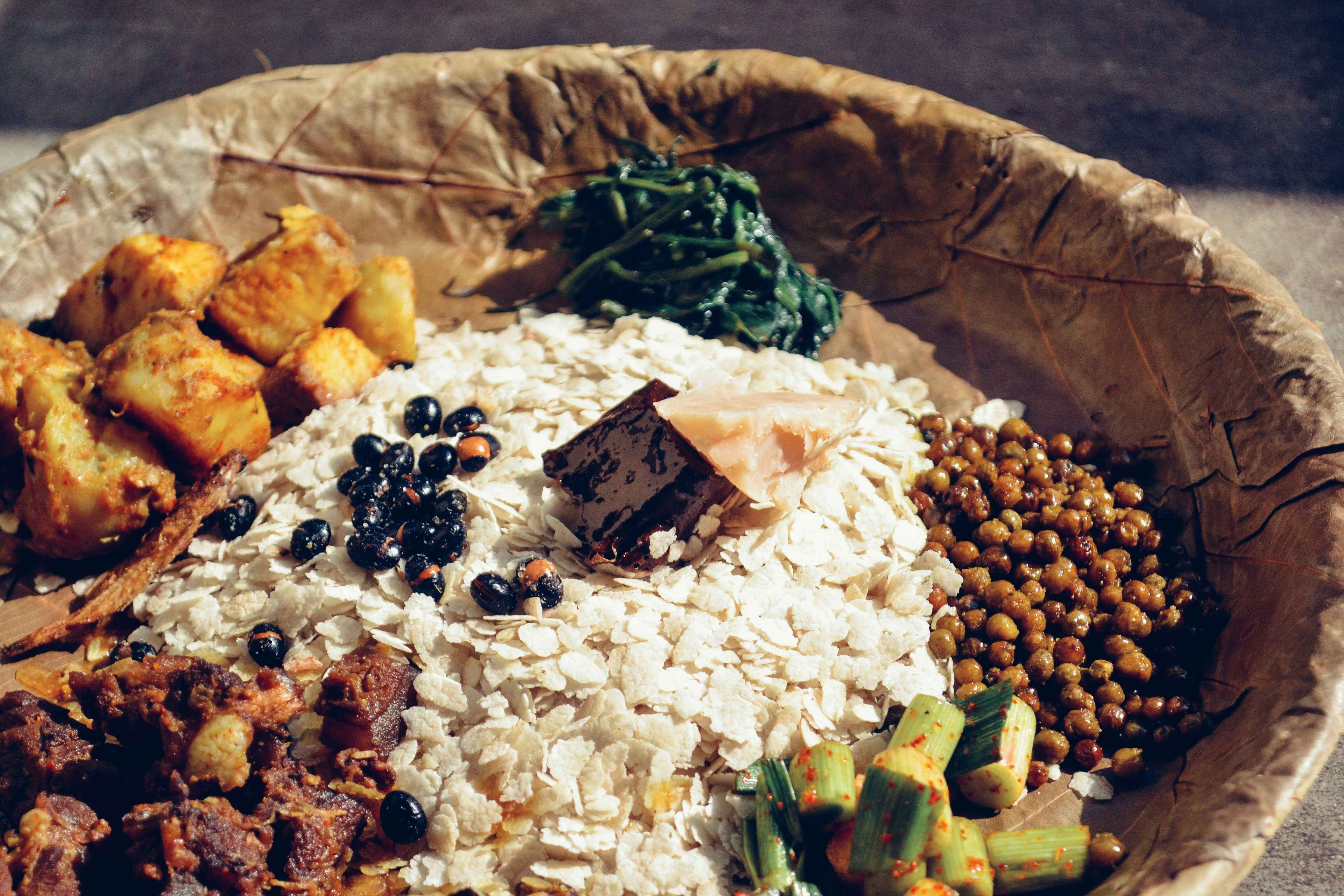
Slow travel in Kathmandu offers a different approach. Rather than rushing between monuments, you can dedicate meaningful time to one historic city or cultural area, walking through its streets, learning about its architecture and observing how local traditions continue in everyday life. A conversation with a craftsperson, time spent watching worshippers at a shrine or a relaxed lunch featuring traditional Newari food can become just as memorable as visiting a major monument.
This approach also creates a more rewarding Kathmandu Valley itinerary. Bhaktapur, Patan and Kathmandu each have enough history, architecture and local activity to justify a full day of exploration. Pashupatinath and Boudhanath can be combined into a day focused on Hindu and Buddhist traditions, while Kirtipur, Bungamati and Khokana offer further opportunities to discover the valley's cultural heritage. The aim is not to see fewer places for the sake of it, but to give each place the attention it deserves.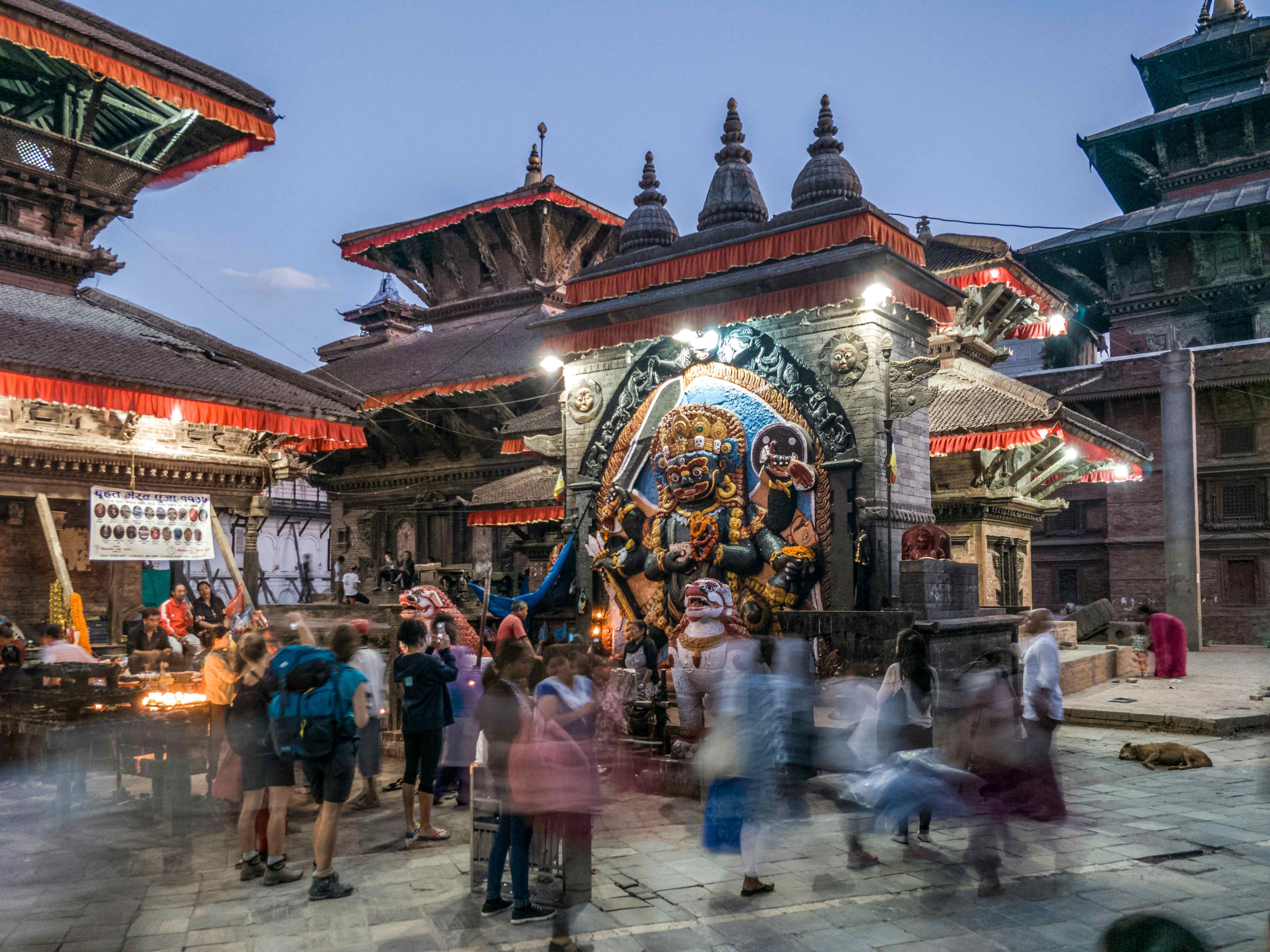
Taking Time in Bhaktapur: Pottery, Historic Squares and Everyday Life
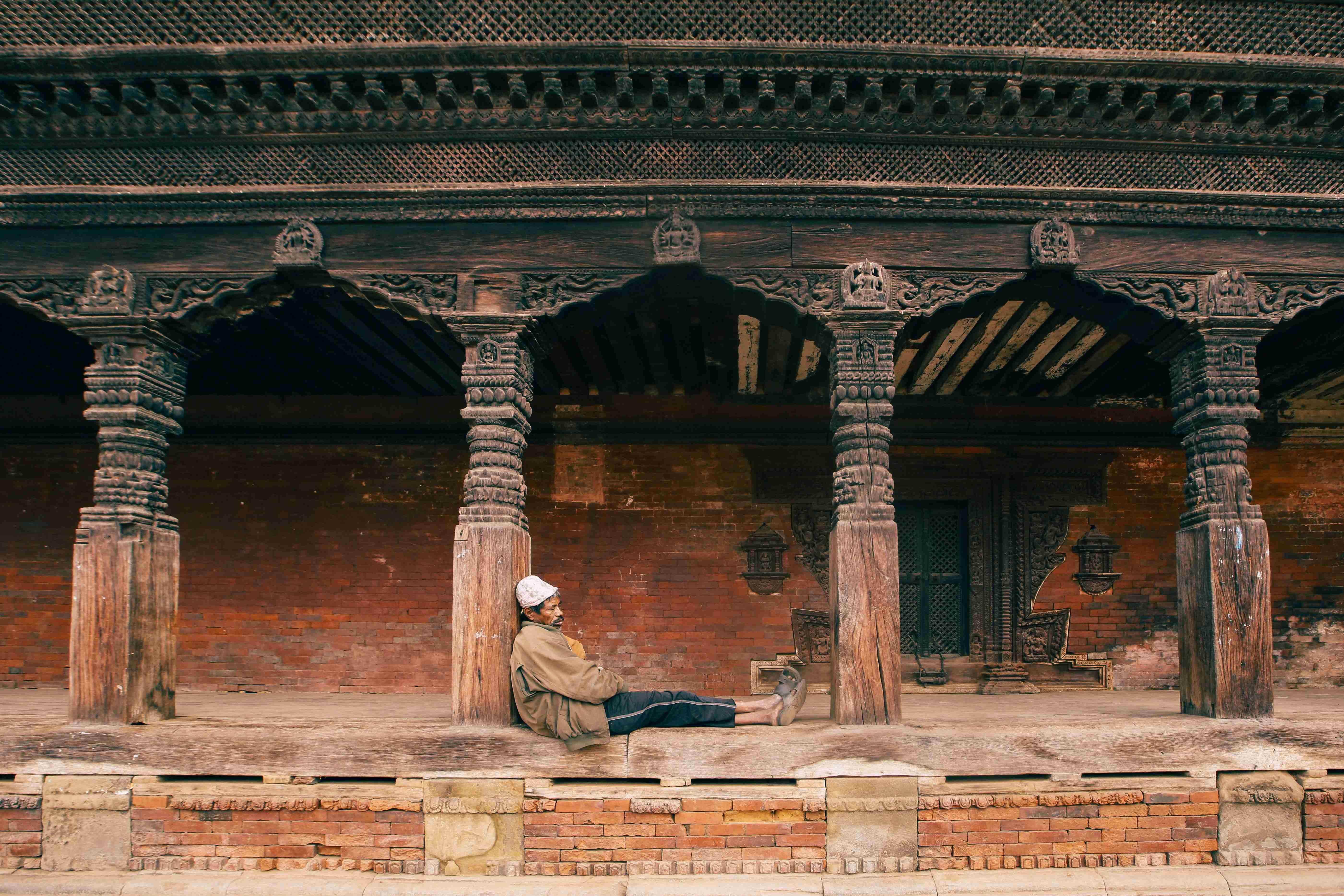
Bhaktapur is one of the best places to begin exploring Kathmandu Valley at a slower pace. Its brick-paved streets, traditional Newar houses, carved windows and historic squares create an atmosphere that rewards walking rather than hurried sightseeing. Start at Bhaktapur Durbar Square, where the Golden Gate, the Palace of 55 Windows and the statue of King Bhupatindra Malla reveal the artistic achievements of the former Malla kingdom. Nearby Taumadhi Square is home to Nyatapola Temple, the five-tiered pagoda that has become one of Bhaktapur's most recognisable landmarks.
Instead of moving directly to the next attraction, take time to explore the smaller streets and courtyards between the main squares. Pottery Square offers an opportunity to see traditional potters shaping clay vessels, arranging finished pots to dry and continuing a craft that remains part of Bhaktapur's identity. With an arranged hands-on session, visitors may also have the chance to try shaping clay themselves. Continue towards Dattatreya Square, known for Dattatreya Temple, traditional monasteries and intricately carved wooden windows, including the celebrated Peacock Window.
A full day in Bhaktapur allows these different experiences to unfold without rushing. You can pause for a traditional Newari meal, observe the activity around neighbourhood shrines and notice how residents use the same squares and streets that attract visitors. The city's appeal extends beyond its major monuments to the relationship between architecture, craftsmanship and everyday life. With time to explore on foot, Bhaktapur becomes more than a collection of historic buildings; it becomes a living historic city whose cultural character is still visible in its daily routines.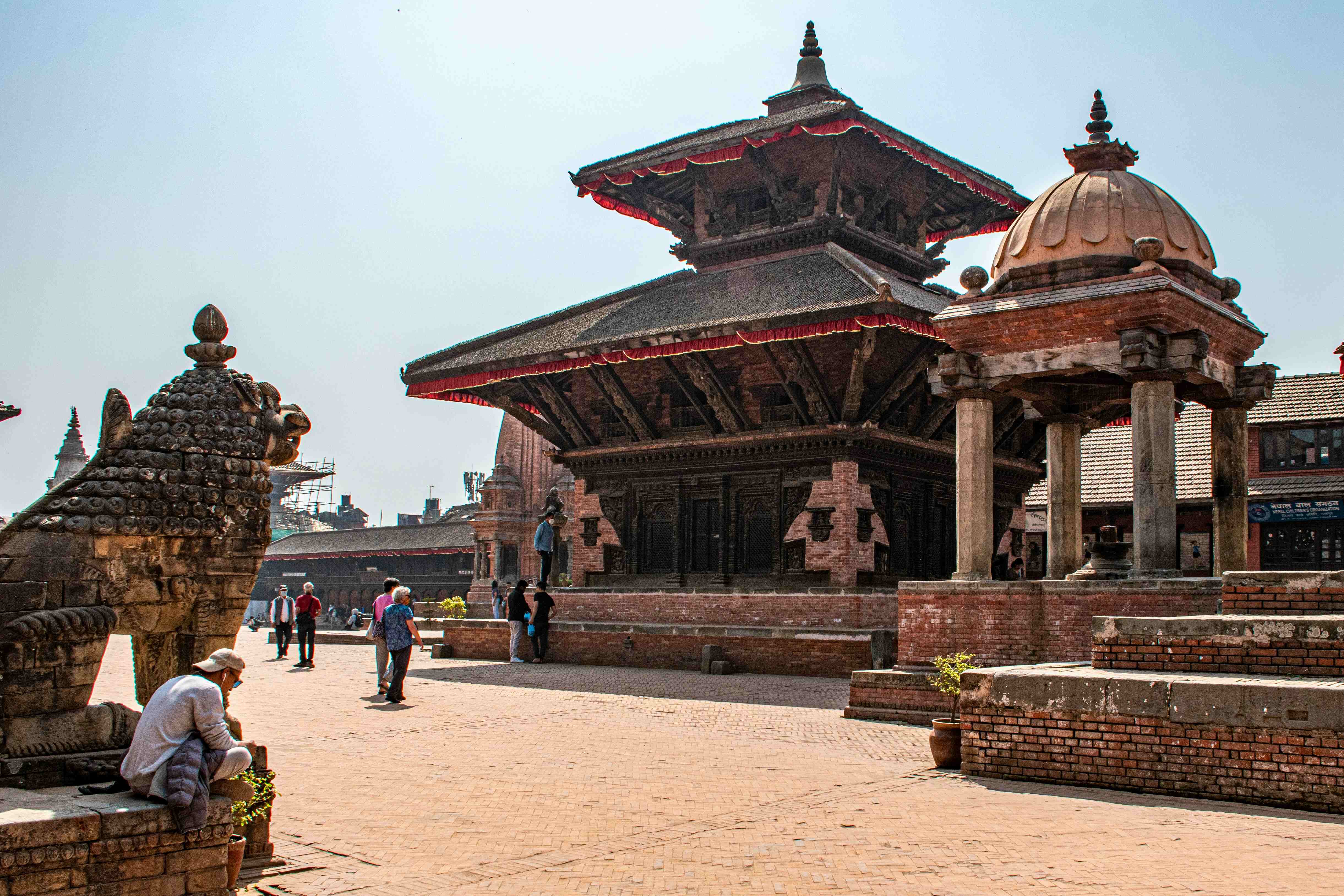
Discovering Patan Slowly: Buddhist Monasteries, Courtyards and Craft Traditions
Patan, also known as Lalitpur, is renowned for its concentration of traditional Newar architecture, metalwork and religious heritage. Patan Durbar Square is a natural starting point, with its palace complex, stone temples and elaborately decorated courtyards. Krishna Mandir, a stone temple dedicated to Krishna, stands prominently within the square, while Patan Museum offers an introduction to the Hindu and Buddhist artistic traditions of the Kathmandu Valley. Rather than treating the square as a quick photo stop, take time to examine the carvings, architectural details and different styles of craftsmanship.
Beyond the main square, Patan's smaller streets lead to important Buddhist heritage sites and traditional courtyards. Hiranya Varna Mahavihar, widely known as the Golden Temple, is a historic Buddhist monastery noted for its gilded decoration and intricate woodwork. Mahabouddha Temple is distinguished by its terracotta architecture and numerous images of the Buddha, while Rudra Varna Mahavihar contains an impressive collection of religious sculptures and objects. These sites offer a different perspective on Patan, revealing how Buddhist institutions, religious practices and traditional craftsmanship have shaped the city over centuries.
A full day in Patan also gives you time to appreciate its living craft traditions. The surrounding neighbourhoods are known for metalworkers, sculptors and artisans whose skills have long contributed to the valley's religious and artistic heritage. You can pause in a traditional courtyard, explore the streets around the monuments and enjoy a meal without feeling pressed to leave for another destination. Patan is particularly rewarding for those interested in Buddhist heritage, Newar culture and the relationship between religious art and everyday life. Slow exploration makes it easier to recognise the details that might otherwise be missed.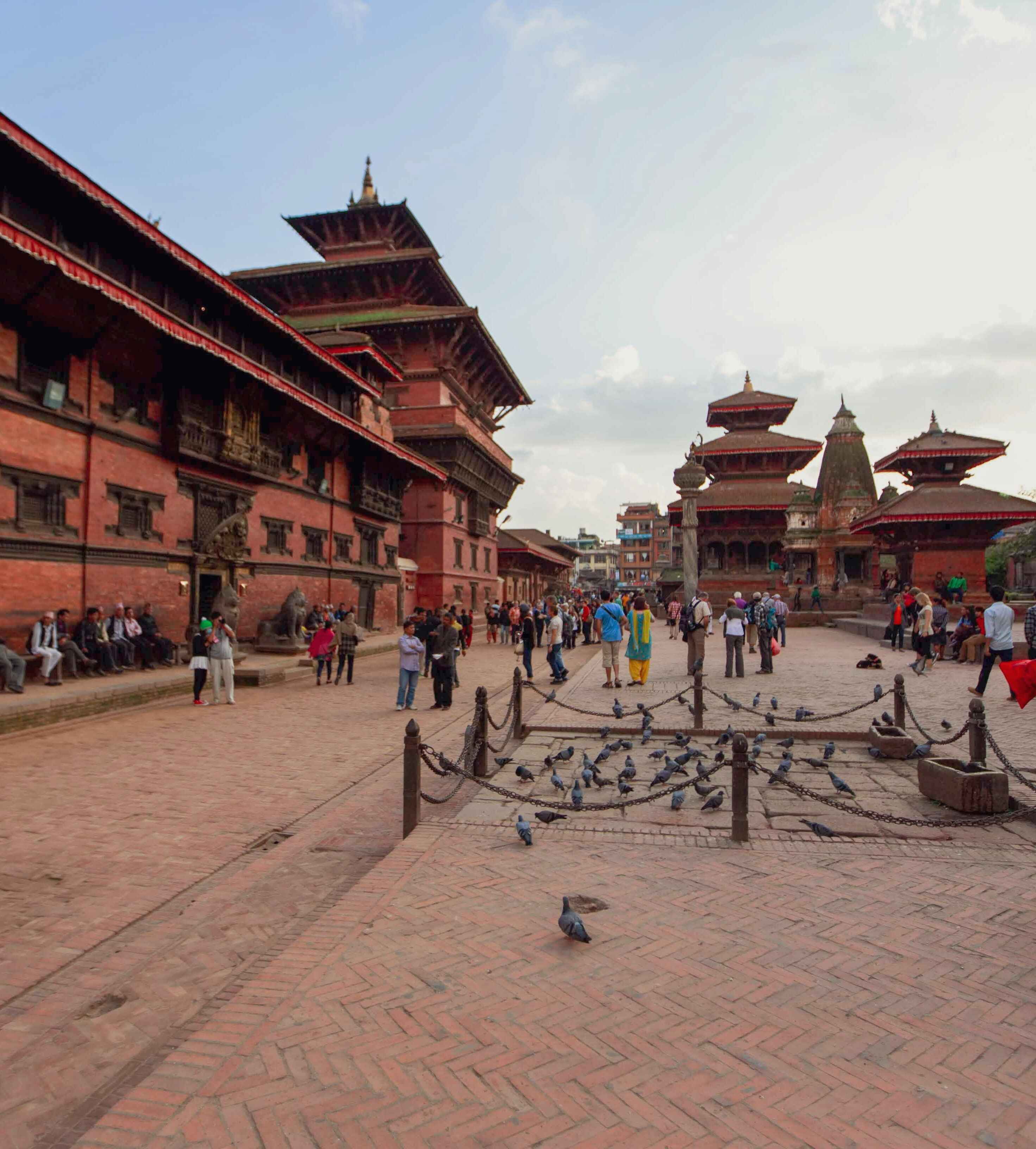
Exploring Kathmandu Durbar Square and Beyond: Basantapur, Asan Bazaar and Indra Chowk
Basantapur, at the heart of Kathmandu's historic centre, is the starting point for exploring Kathmandu Durbar Square and its surrounding streets. Also known as Hanuman Dhoka Durbar Square, this UNESCO World Heritage Site brings together historic palaces, courtyards and temples that reflect the valley's architectural and cultural heritage. Key landmarks include Hanuman Dhoka Palace, Kumari Ghar, the residence of the Living Goddess Kumari, and Kasthamandap. Rather than simply walking through the square to take photographs, spend time appreciating the traditional architecture, intricate wood carvings and the religious and historical significance of the buildings.
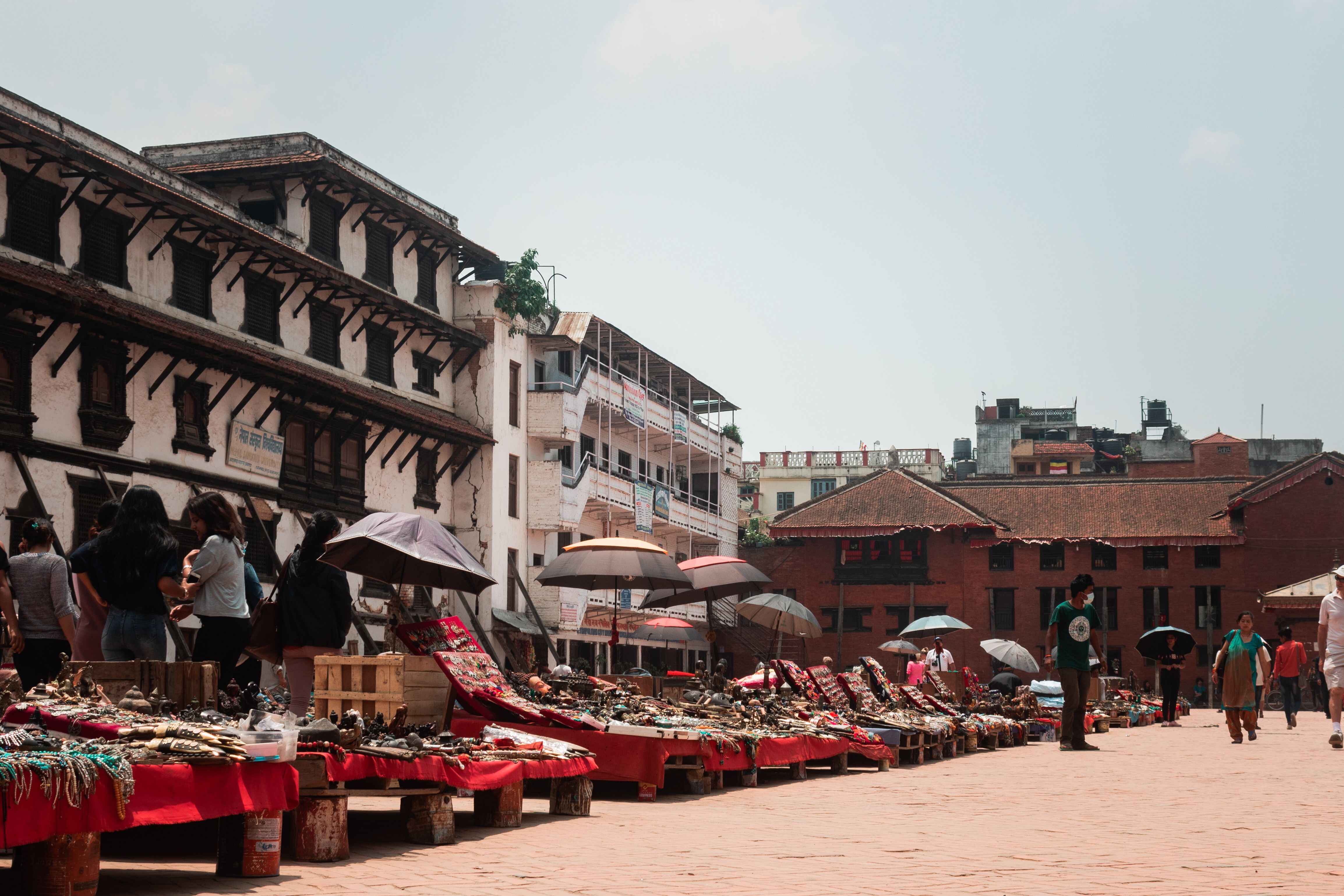
From Basantapur, continue towards Indra Chowk and Asan Bazaar, two established parts of Kathmandu's traditional market area. Indra Chowk is known for its busy commercial streets and Akash Bhairav Temple, while Asan is one of the city's historic trading centres. At Asan, the Annapurna Temple stands at the heart of a lively market where shops sell spices, grains, fresh vegetables, kitchenware, clothing and other everyday goods. Walking between these areas gives you an opportunity to observe local shopping habits, explore the narrow streets and notice the small shrines and traditional shopfronts along the way.
Allow time to explore beyond the main squares instead of treating each place as a quick stop. You can pause at a local eatery, observe the activity in the market or take a closer look at the architecture tucked between the busier streets. These everyday details reveal another side of Kathmandu, connecting its celebrated monuments with the commercial and social life of the old city. A relaxed walk through Basantapur, Indra Chowk and Asan offers a more complete experience of Kathmandu's historic centre, where heritage and daily life continue alongside one another.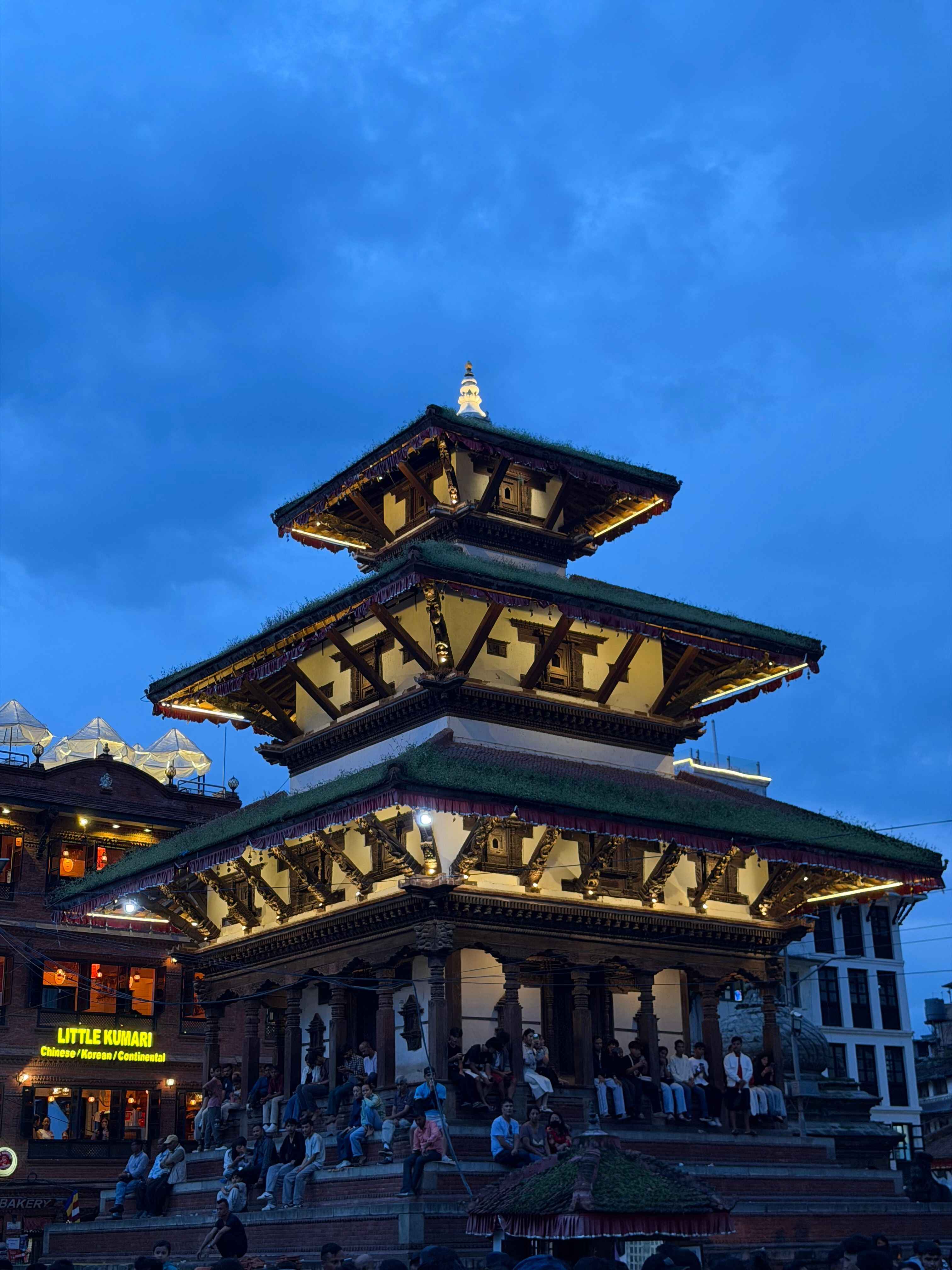
Experiencing Pashupatinath and Boudhanath: Sacred Spaces, Daily Rituals and Evening Aarati
Pashupatinath Temple and Boudhanath Stupa offer two distinctive perspectives on the religious life of Kathmandu Valley. At Pashupatinath, one of the most revered Hindu temple complexes in Nepal, the sacred Bagmati River, temple architecture, shrines and ritual spaces form part of a larger pilgrimage landscape. Non-Hindus cannot enter the main temple itself, but they can observe the complex from permitted areas across the river. Spending time here allows visitors to understand the significance of the site beyond its architecture, including the rituals and traditions associated with worship and the river.
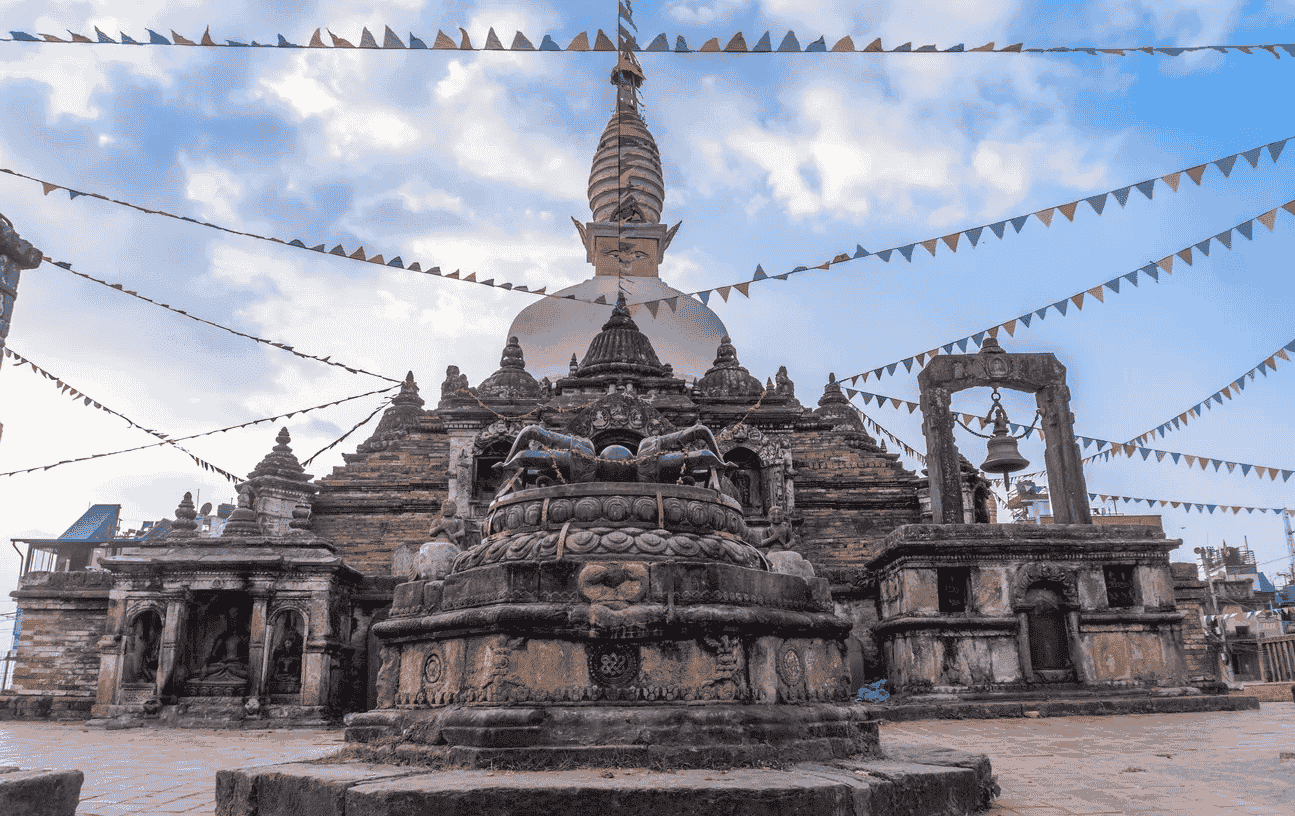
Boudhanath offers a different atmosphere. The great white dome and its distinctive all-seeing Buddha eyes form the centre of a major Buddhist pilgrimage site with deep connections to Tibetan Buddhist traditions. Rather than simply photographing the stupa, walk around it with pilgrims and local residents, observe the devotional practice of circumambulation and notice the monasteries, prayer wheels and shops surrounding the square. Visiting at a quieter pace allows you to appreciate the atmosphere of the place and understand how religious practice remains part of daily life in the neighbourhood.
Combining Pashupatinath and Boudhanath in one day can create a meaningful introduction to Hindu and Buddhist traditions in Kathmandu. With a well-planned schedule, you can spend time at both sites and return to Pashupatinath for the evening Bagmati Aarati, a public devotional ceremony involving lamps, chanting and music. The ceremony takes place beside the river, with its atmosphere changing as daylight fades. Check the day's schedule in advance, as timing can vary by season. Allowing sufficient time at each location makes the experience more rewarding than treating the two sites as quick stops on a packed sightseeing route.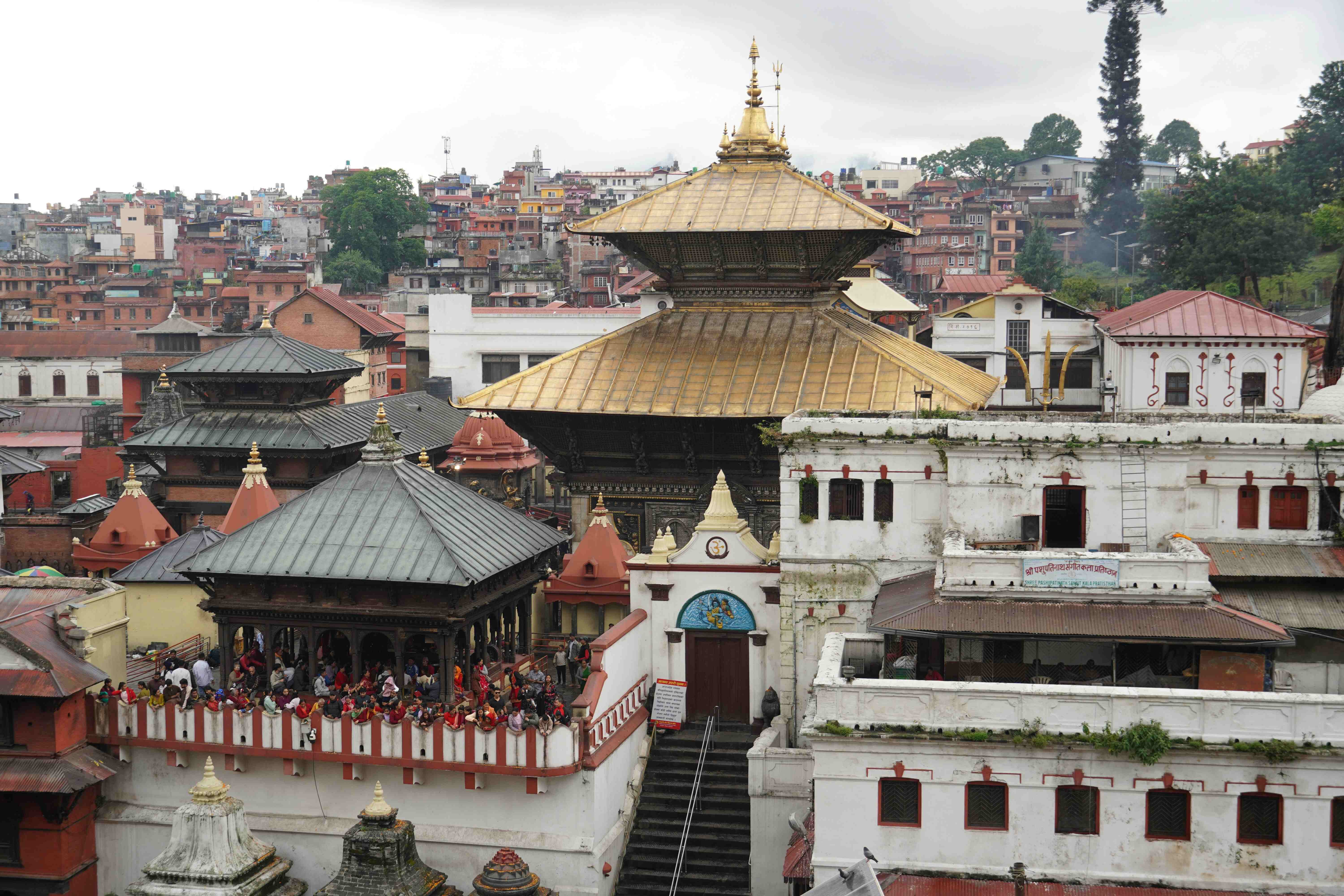
Beyond the Famous Cities: Exploring the Heritage of Kirtipur, Bungamati and Khokana
Kathmandu Valley's cultural heritage extends beyond its three historic Durbar Square cities. Kirtipur, situated on a hill southwest of central Kathmandu, offers traditional Newar neighbourhoods, historic temples and views across the surrounding valley. Walking through its streets reveals a different rhythm from the busier tourist centres, with residential courtyards, local shops and religious sites forming part of everyday life. Spending time here provides an opportunity to explore the valley's cultural traditions in a setting where the experience is shaped as much by the neighbourhood as by individual monuments.
Bungamati is known for its traditional Newar settlement and longstanding woodcarving traditions. Its streets and traditional houses provide a glimpse into a community whose cultural identity is closely connected with craftsmanship and religious life. The village is also associated with Rato Machhindranath, a deity central to an important festival tradition shared by Patan and surrounding communities. Depending on the season and local circumstances, visitors may encounter different aspects of village life, but the most rewarding approach is to explore respectfully, appreciate the traditional architecture and learn about the community's heritage rather than expect a staged cultural performance.
Nearby Khokana is a traditional Newar settlement historically associated with mustard-oil production and agricultural life. Its narrow streets, traditional houses, local shrines and village setting offer another perspective on the cultural landscape of the Kathmandu Valley. Visiting Kirtipur, Bungamati or Khokana can be particularly worthwhile for those who have additional time and want to understand the valley beyond its best-known monuments. These places are best explored at a relaxed pace, with enough time to appreciate local architecture, learn about traditional occupations and observe how cultural practices continue within residential communities.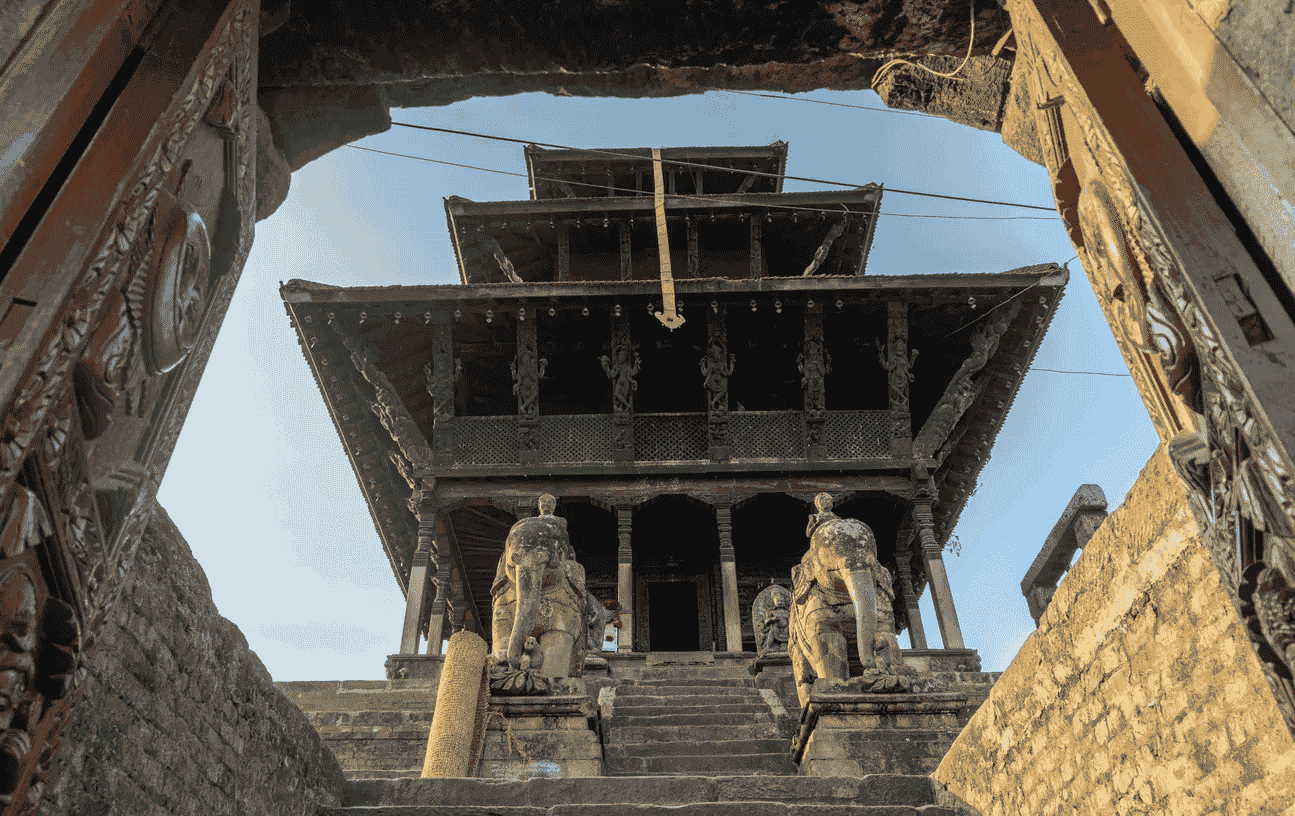
Seeing More by Slowing Down: The Value of a Knowledgeable Guide
Exploring Kathmandu Valley slowly is not only about allowing more time at each destination. It is also about understanding what you are seeing. A carved wooden window, a shrine in a courtyard or a Buddhist monastery may appear beautiful at first glance, but its history, symbolism and role in the community can add another layer of meaning. A knowledgeable professional guide can explain these details, place them within the wider history of the valley and help visitors recognise connections between architecture, religion, craftsmanship and local traditions.
A guide can also help shape a more thoughtful route. Instead of following only the busiest streets and most photographed landmarks, you can explore relevant neighbourhoods, discover smaller heritage sites and make time for local markets or traditional eateries where appropriate. In places such as Bhaktapur and Patan, where many important details are found beyond the main squares, this context can make a considerable difference. A guide familiar with local customs can also advise on respectful behaviour at active religious sites and help visitors understand when photography or access may be restricted.
For those looking for meaningful Kathmandu cultural experiences, a guided walk can create a connection between the major monuments and the people who live and work around them. It can also help visitors make better use of their time without turning the day into a race against the clock. The aim is not simply to cover more places, but to leave with a clearer understanding of the valley's heritage, traditions and everyday life. When combined with a slower itinerary, good guiding helps turn sightseeing into a more informed cultural experience.
How Many Days Do You Need to Explore Kathmandu Valley?
The number of days you need depends on your interests, pace and the experiences you want to include. If you are particularly interested in history, architecture and local culture, allowing a full day each for Bhaktapur, Patan and Kathmandu gives you time to explore the main heritage areas alongside the streets and neighbourhoods around them. Another day can be devoted to Pashupatinath and Boudhanath, combining two important religious sites without rushing through their different atmospheres and traditions.
With additional time, you can explore Kirtipur, Bungamati and Khokana, or focus on particular interests such as Newari cuisine, traditional crafts, Buddhist monasteries or local markets. These destinations do not all need to be combined into one long day. Depending on your interests and transport arrangements, you can select one or two places and give them the attention they deserve. A flexible Kathmandu Valley itinerary also leaves room for breaks, meals and unplanned discoveries that often become memorable parts of a trip.
Slow travel in Kathmandu is ultimately about making deliberate choices. Rather than measuring a visit by the number of UNESCO sites completed, consider how much you have understood and experienced at each destination. The valley's historic squares, temples, monasteries, traditional markets and residential neighbourhoods each tell different stories. Allowing time to explore them brings those stories into focus and creates a more rewarding connection with the place. Kathmandu Valley is not simply a list of attractions to complete; it is a living cultural landscape that deserves to be explored one day at a time.
Discover Kathmandu at a Slower Pace
Frequently Asked Questions
1. What is slow travel in Kathmandu?
Slow travel in Kathmandu means exploring the city's historic sites, traditional markets, temples and neighbourhoods at a relaxed pace rather than trying to visit as many attractions as possible in one day. It allows more time to understand local culture, appreciate traditional architecture and experience everyday life in Kathmandu Valley.