Blog Details
18Oct
Quiet Places Near Kathmandu for a Day Away from the Crowds
Kathmandu Valley is often explored through its famous Durbar Squares, ancient temples, Buddhist stupas and traditional markets. Yet beyond these busy sightseeing areas, the valley offers traditional Newar settlements, forested hills, rural landscapes and sacred sites that provide a different experience of Nepal. Many of these destinations are within a relatively short drive from central Kathmandu, making them suitable for a day away from the city's traffic and crowds.
Exploring these quieter places near Kathmandu allows more time to appreciate the details that make each destination distinctive. You might walk past traditional brick houses, observe woodcarvers at work, visit a small shrine or follow a forest trail overlooking the valley. These experiences offer an opportunity to discover local traditions and landscapes without rushing between major attractions.
The best day trips from Kathmandu depend on your interests. Kirtipur offers traditional Newar architecture and local food, while Bungamati and Khokana reveal historic village life and craft traditions. Pharping is known for its Buddhist and Hindu sacred sites, Chandragiri offers hilltop views, and Shivapuri provides opportunities for forest walks and hiking. Each destination presents a different way to explore the valley beyond its busiest tourist areas.
Kirtipur: Old Newar Streets, Temples and Hilltop Views
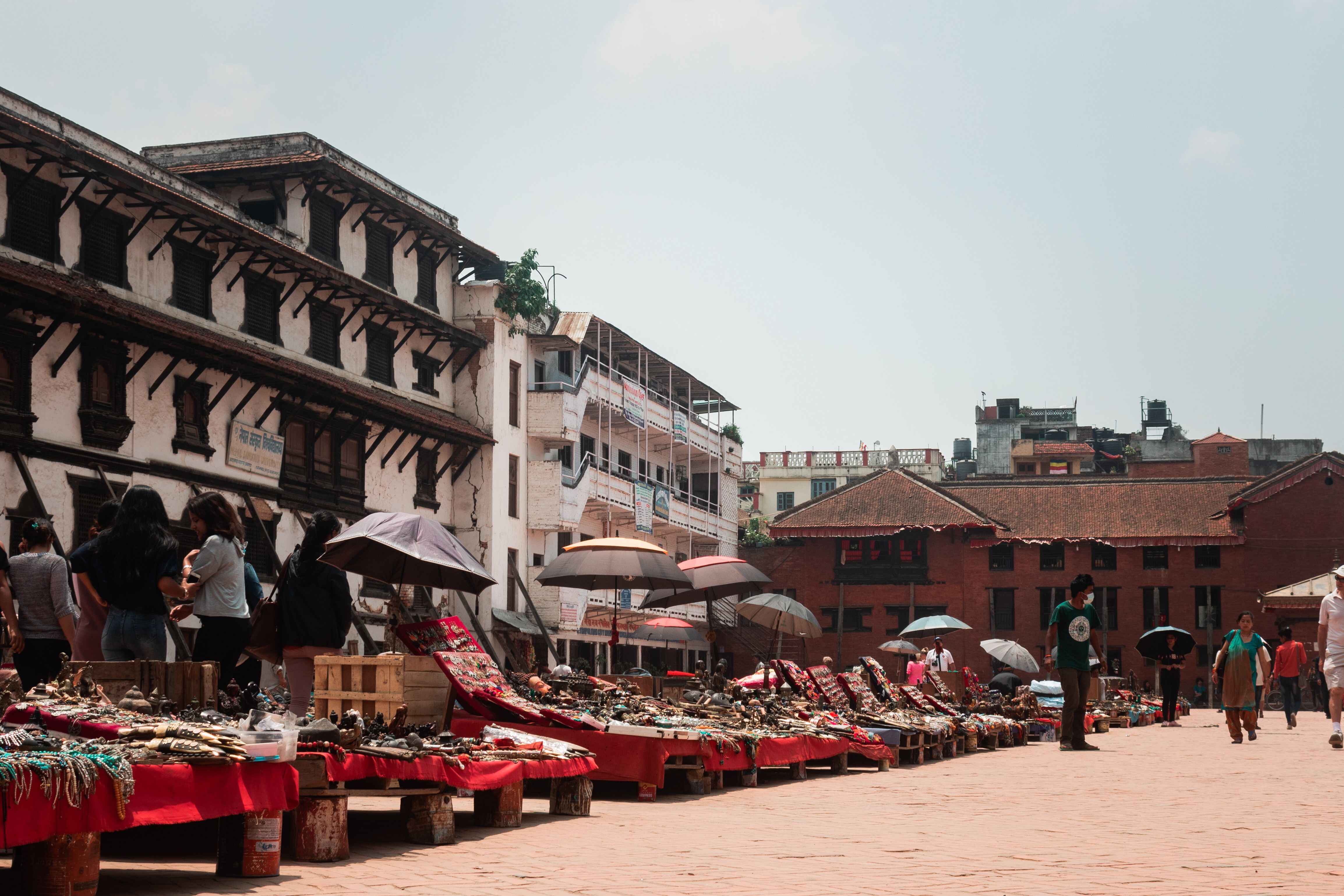
Kirtipur is an ancient Newar town situated on a ridge southwest of central Kathmandu. Its red-brick houses, narrow streets, traditional courtyards and temple squares create a distinctive atmosphere. Unlike the major heritage areas that often feature in organised sightseeing itineraries, Kirtipur rewards visitors who take time to explore on foot. Its historic architecture remains part of everyday community life, while its elevated position offers views across parts of the valley when weather and visibility permit.
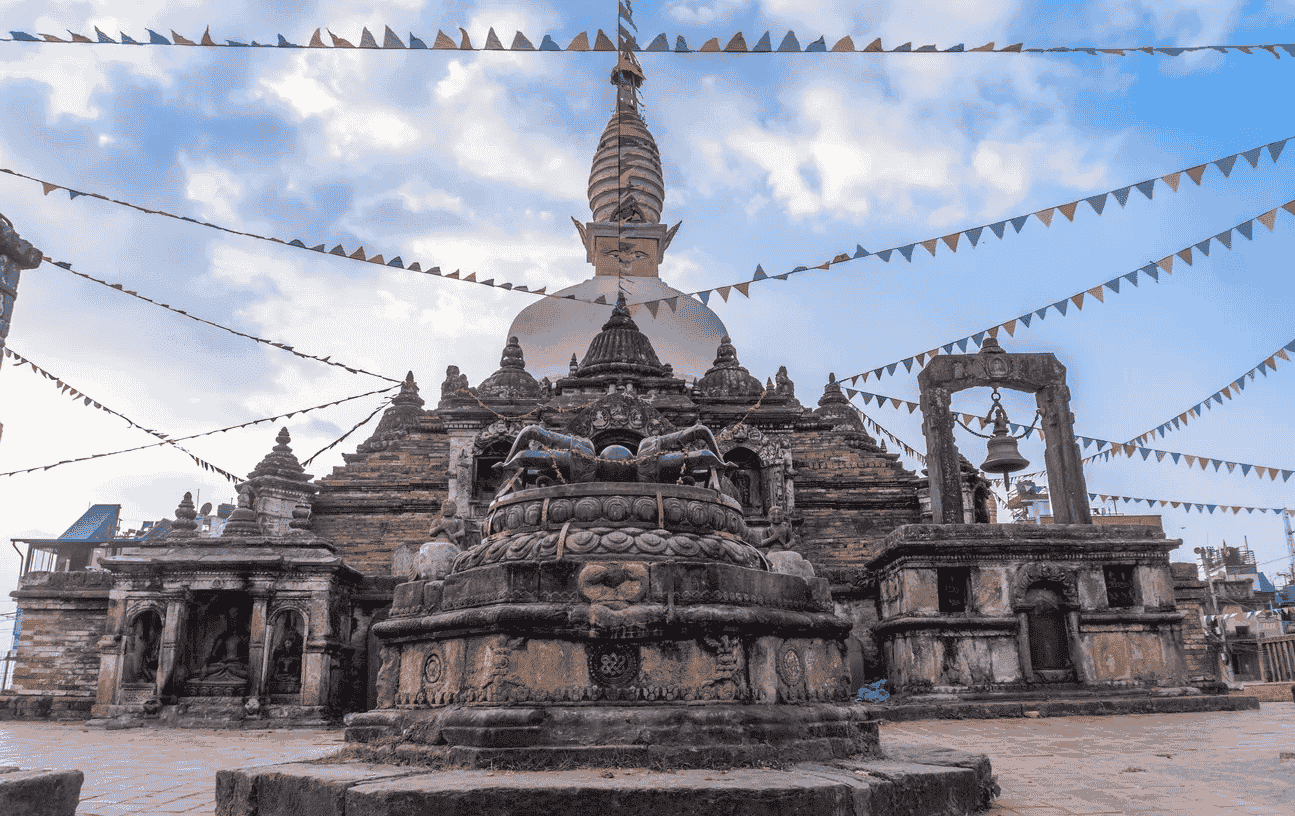
Bagh Bhairab Temple is one of Kirtipur's principal landmarks, dedicated to Bhairab, a fierce manifestation of Shiva. Chilancho Stupa is another notable site, reflecting the town's Buddhist heritage. Walking between these landmarks reveals carved wooden windows, traditional doorways and smaller shrines tucked into residential neighbourhoods. Rather than simply photographing the main monuments, visitors can appreciate how religious architecture and traditional urban design remain connected to the town's everyday life.
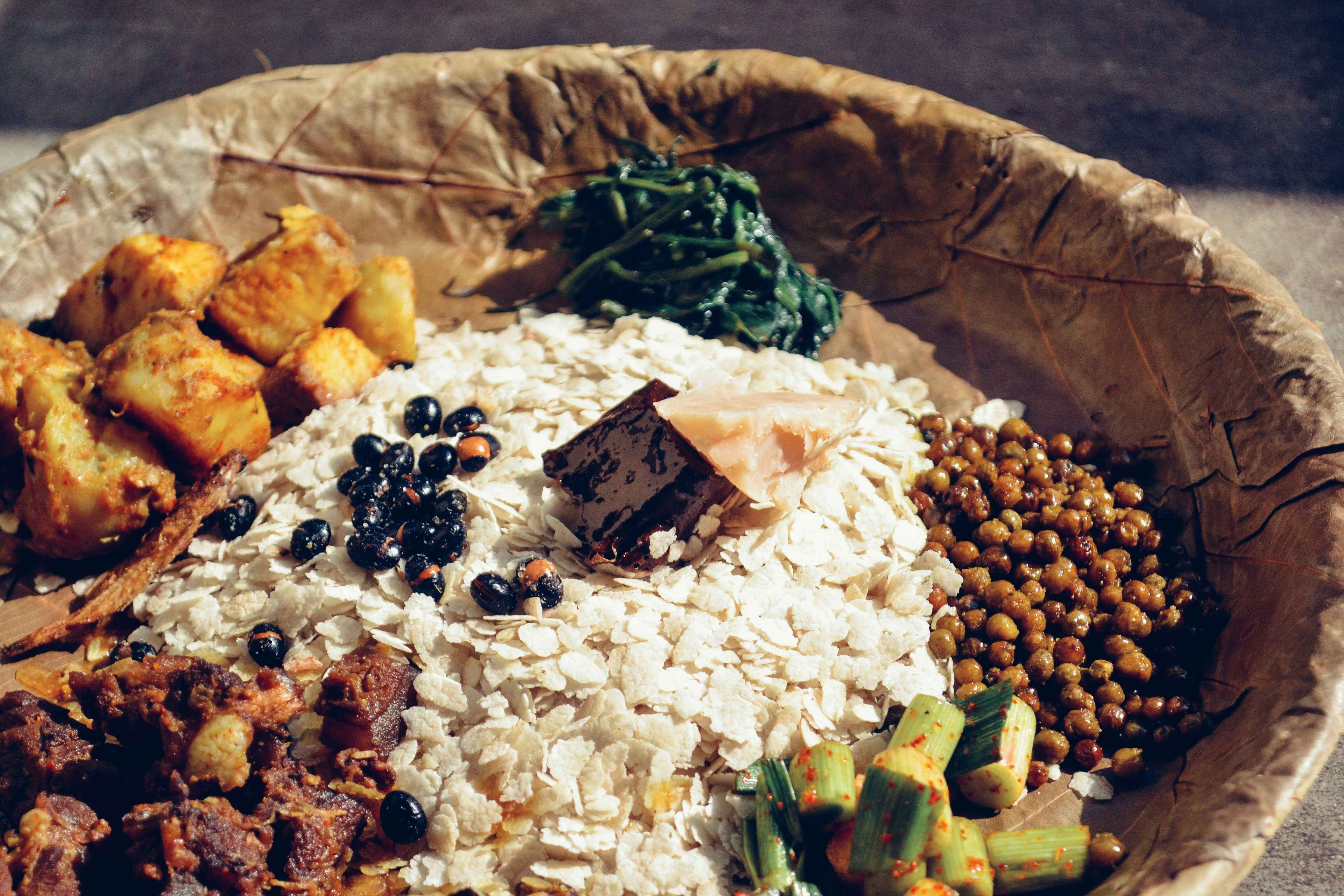
Food is another reason to include Kirtipur in a day trip from Kathmandu. Local eateries serve traditional Newari dishes, providing an opportunity to explore the valley's distinctive culinary heritage. A relaxed walk followed by a local meal can easily fill several hours. Kirtipur can also be combined with nearby Chobhar or Taudaha, depending on your available time. For anyone seeking cultural experiences near Kathmandu, the town offers a rewarding combination of architecture, temples, local food and neighbourhood life.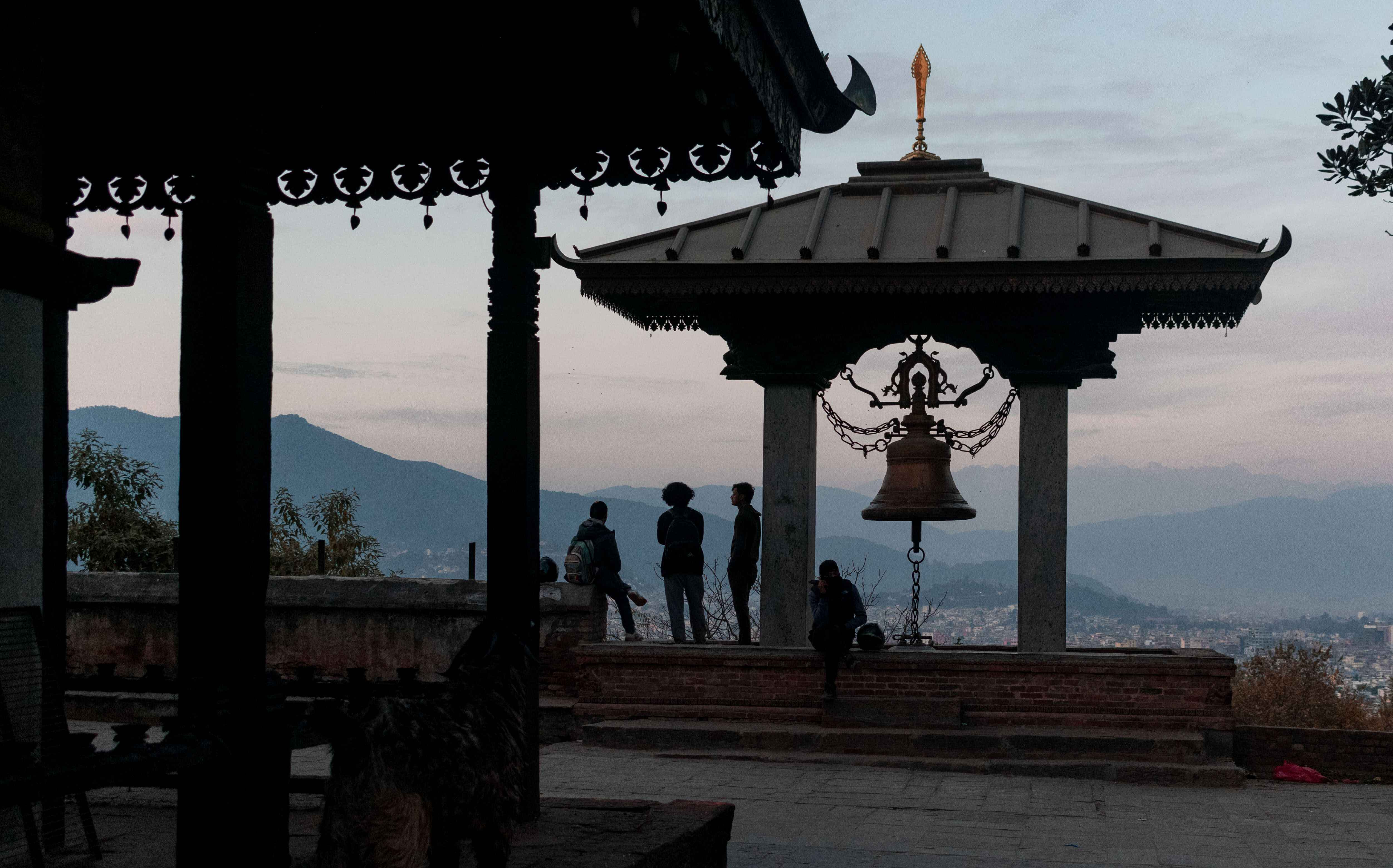
Bungamati and Khokana: Traditional Villages and Living Heritage
South of Patan, Bungamati and Khokana are traditional Newar settlements known for their historic streets, brick houses, courtyards and cultural traditions. These villages offer a different experience from the valley's major heritage squares, with craftsmanship, religious practices and agricultural history forming part of their identity. Visiting both in one outing allows time to explore their distinctive features without travelling between distant destinations.
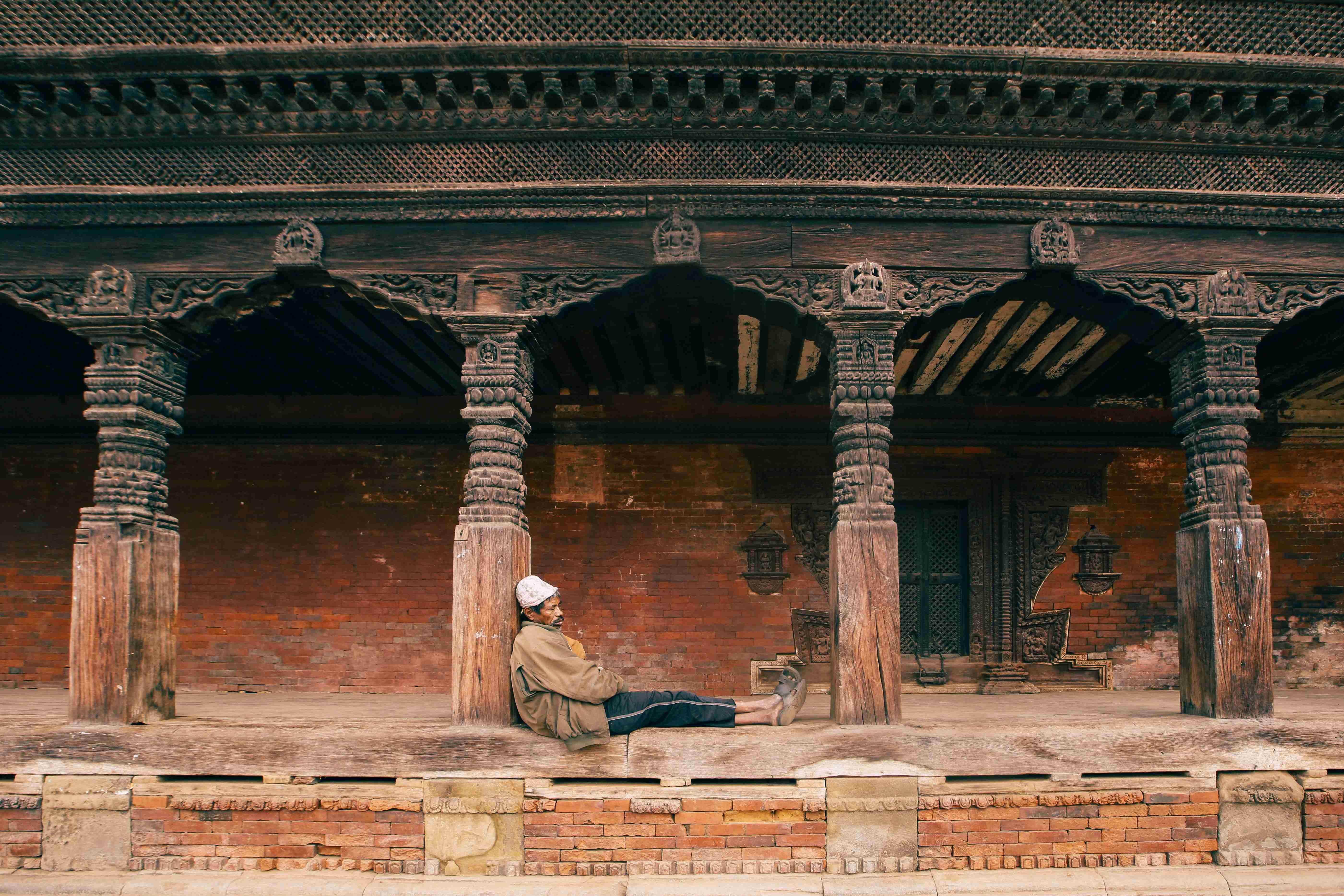
Bungamati is particularly associated with Rato Machhindranath, also known as Bunga Dyah, a deity revered in the Kathmandu Valley and connected with traditions surrounding rain and agricultural prosperity. The deity is central to the celebrated chariot festival associated with Patan and surrounding communities. Bungamati is also known for its woodcarving heritage, visible in traditional windows, doors and architectural details. Walking through the settlement provides an opportunity to appreciate these traditions within their community setting, including areas that have undergone rebuilding following the 2015 earthquake.
Nearby Khokana is historically associated with mustard-oil production and agricultural life. Traditional oil presses, narrow streets, local shrines and the Rudrayani Temple contribute to the village's distinctive character. The availability of working oil presses and opportunities to observe production can vary, so demonstrations should not be assumed. Together, Bungamati and Khokana are worthwhile places to visit near Kathmandu for anyone interested in Newar culture, traditional crafts and village life. Allow time to explore on foot, and ask permission before photographing residents or entering private spaces.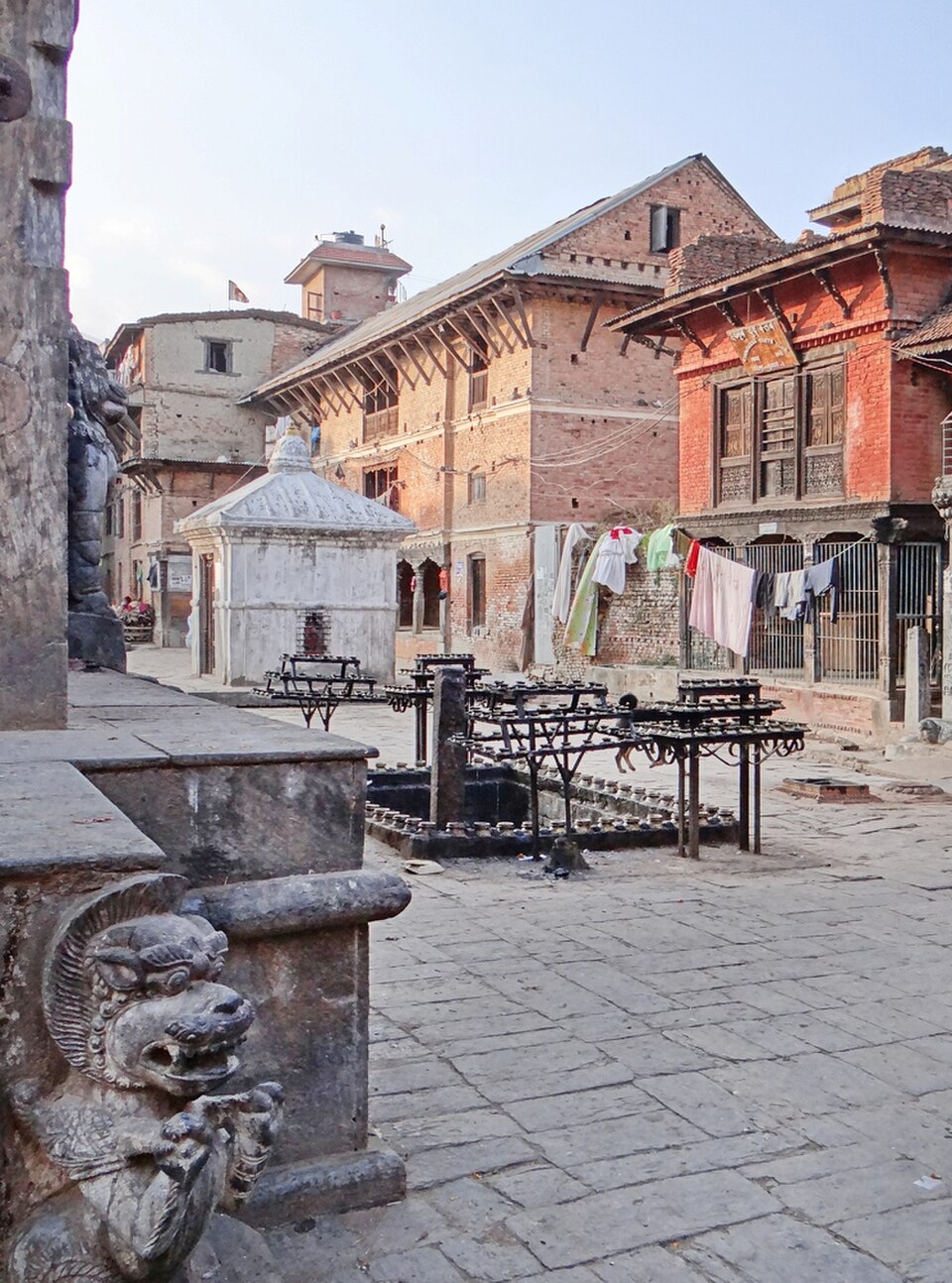
Pharping: Sacred Caves, Monasteries and Hillside Retreats
Located south of Kathmandu, Pharping is a hillside settlement known for its Buddhist and Hindu religious heritage. Monasteries, temples and sacred caves attract pilgrims and visitors interested in Nepal's spiritual traditions. Its setting beyond the central urban area provides a different atmosphere from Kathmandu's busy heritage sites, although individual religious landmarks can become crowded during festivals. Pharping is particularly significant in Tibetan Buddhist traditions because of its association with Guru Rinpoche, also known as Padmasambhava, who played an important role in the establishment of Buddhism in Tibet.
Asura Cave is one of Pharping's best-known Buddhist pilgrimage sites and is traditionally associated with Guru Rinpoche's meditation. The surrounding area contains other religious landmarks, including sites associated with Vajrayogini. These places continue to hold religious significance for practitioners who visit to pray, meditate and undertake pilgrimage. Spending time at the sacred sites and learning about their traditions provides a deeper understanding of the spiritual landscape surrounding Kathmandu.
A day trip to Pharping can combine visits to selected sacred sites with a walk through the settlement and surrounding hills. Monasteries and temples have their own customs, so visitors should dress appropriately, remove their shoes where requested and follow photography instructions. Access to particular buildings may be restricted during religious activities. For those seeking peaceful places near Kathmandu with a spiritual dimension, Pharping offers an opportunity to explore Buddhist pilgrimage traditions alongside the valley's wider Hindu and Buddhist heritage.
Panauti: A Historic Newar Town Beyond the Crowds
Panauti offers a glimpse into the Kathmandu Valley’s traditional architecture, religious heritage, and Newar way of life. Located southeast of Kathmandu, this historic town is known for its old brick houses, intricately carved wooden windows, traditional courtyards, and temples that reflect centuries of cultural and religious history.
At the confluence of the Roshi and Punyamati rivers, the Indreshwar Mahadev Temple stands among the town’s most significant landmarks. The surrounding streets and courtyards invite a slower exploration, where traditional homes, small shrines, and everyday community life remain part of the town’s character.
For those seeking quiet places near Kathmandu, Panauti offers a rewarding day trip that combines heritage, architecture, and a more relaxed pace. Walking through its old town provides an opportunity to discover another side of the Kathmandu Valley, away from the busier tourist centres.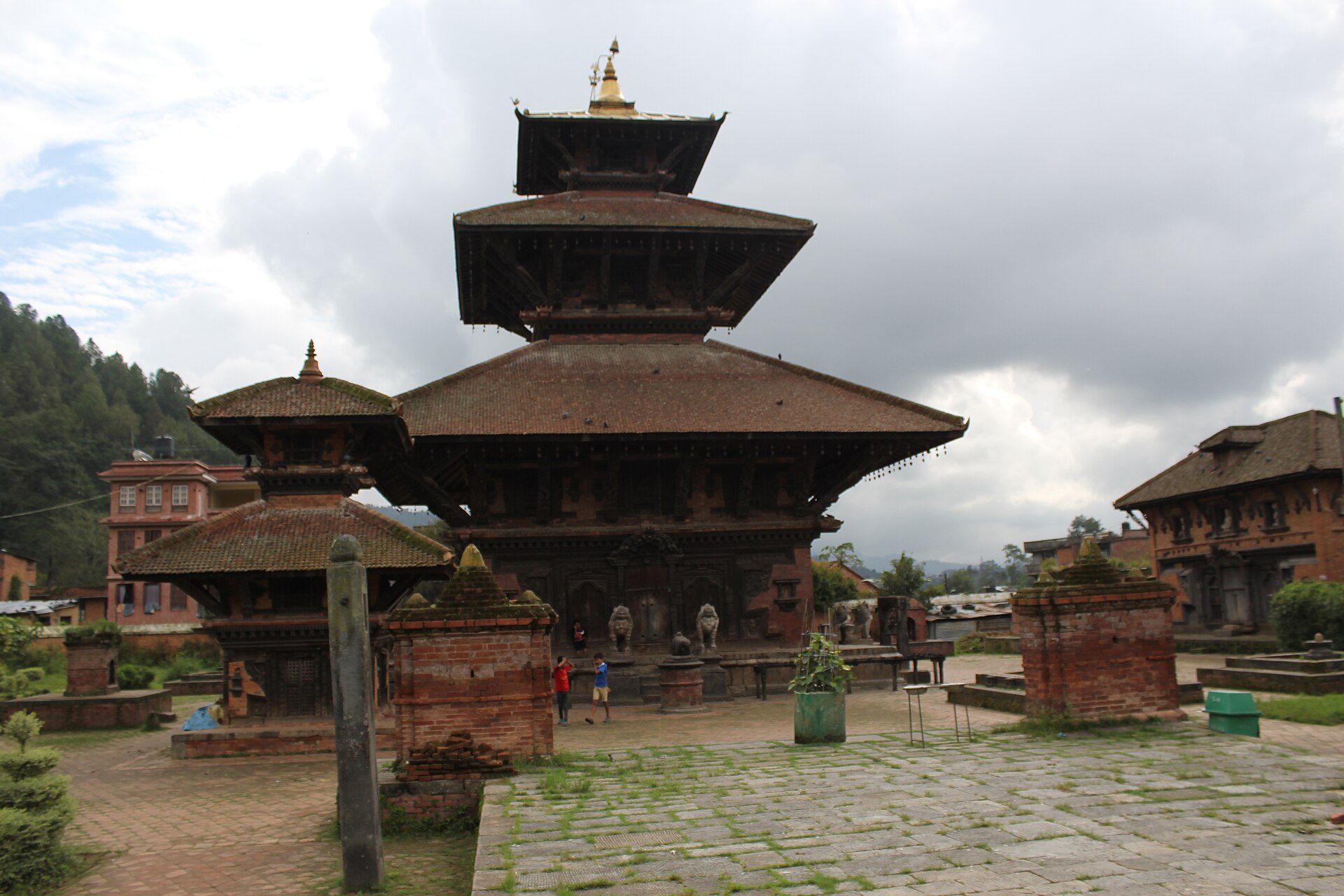
Chandragiri: Forested Slopes, Walking Routes and Mountain Views
Chandragiri is known for its cable car and hilltop viewpoint, which provide an accessible way to enjoy views across Kathmandu Valley and, when the weather is clear, towards the Himalayan ranges. The elevated setting offers a change from the city's dense urban landscape, with wooded hills and open viewpoints creating a different atmosphere. However, visibility depends on weather conditions and haze, while weekends and public holidays can bring more visitors to the main viewpoint.
Beyond the viewpoint, the Chandragiri area offers access to walking routes and journeys towards Chitlang, a traditional settlement on the other side of the ridge. Nepal Tourism Board promotes the Chandragiri–Chitlang–Kulekhani route as a trip idea, showing how the area can form part of a longer outing. Walking opportunities depend on the route, trail conditions and access arrangements. Visitors should use established paths and seek reliable local advice before attempting unfamiliar trails.
Chandragiri suits visitors who want a mix of scenery and outdoor activity without committing to a multi-day trek. The cable car offers an easier excursion, while a planned walk provides a closer experience of the surrounding hills. Check the weather and cable-car operating arrangements before leaving Kathmandu. If avoiding crowds is your priority, consider the timing of your visit and whether a walking-focused outing better suits your interests.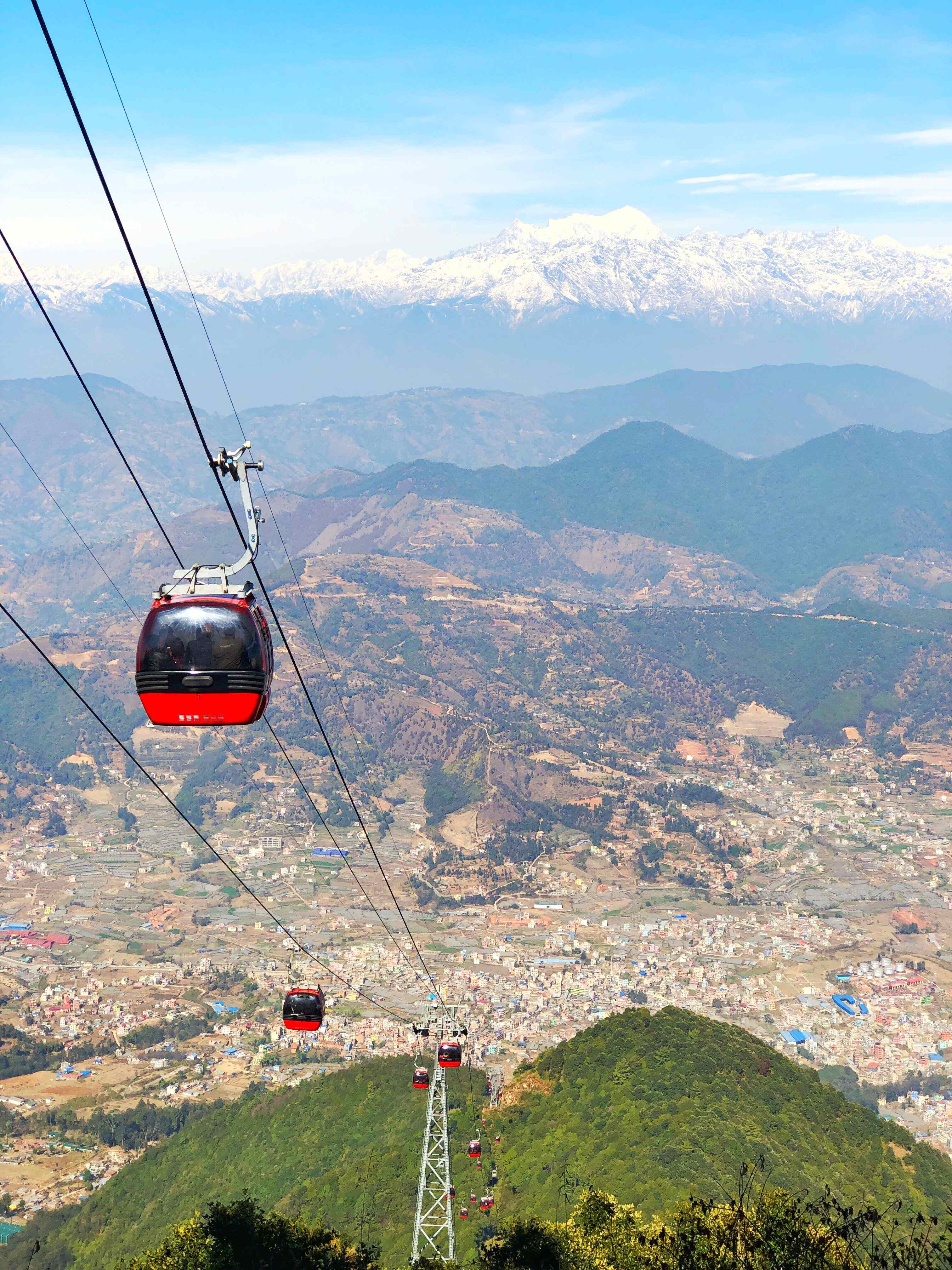
Shivapuri: Forest Trails, Biodiversity and a Break from the City
Shivapuri Nagarjun National Park lies north of Kathmandu Valley and protects forested hills, wildlife habitats and mountain terrain. It is one of the most accessible options for visitors interested in hiking, birdwatching and nature near the capital. After travelling to an authorised entry point, visitors can follow permitted routes through wooded areas, with occasional openings towards the surrounding hills. The forest environment provides a welcome contrast to Kathmandu's busy streets and built-up neighbourhoods.
The park supports a variety of plant and animal life, including numerous bird species. You do not need to reach Shivapuri Peak to enjoy a visit, as shorter walks can provide time to appreciate the forest and its surroundings. Longer hikes require more preparation, particularly when they involve sustained uphill walking. Monsoon rain can make trails slippery and reduce visibility, so choose a route suited to your fitness and available time.
Visitors must follow park entry procedures and conservation rules. The official Shivapuri Nagarjun National Park website lists an entry fee of NPR 1,000 per day for foreign visitors and NPR 600 for SAARC nationals, and states that a nature guide is required for both categories. Fees and regulations can change, so confirm current requirements before departure. Visitors must also use authorised routes, avoid disturbing wildlife, carry out their rubbish and leave before sunset. For those seeking places near Kathmandu for a day of walking, Shivapuri offers a nature-focused alternative to cultural sightseeing.
Choosing the Right Escape for Your Day
Each destination offers a different way to explore beyond Kathmandu's busiest sightseeing areas. Kirtipur suits visitors interested in Newar architecture, temples and traditional food, while Bungamati and Khokana provide insight into village life, craftsmanship and agricultural heritage. Pharping is ideal for those interested in Buddhist pilgrimage sites and monasteries. Chandragiri offers panoramic views, whereas Shivapuri is better suited to forest walks, birdwatching and hiking.
The time available is another important consideration. Kirtipur can be explored over several hours, while Bungamati and Khokana can be combined into one outing. Pharping can fill a half-day or longer, depending on the sites you visit. Chandragiri may suit a shorter excursion, while Shivapuri requires more careful planning because hiking times depend on the trail and your pace. Road traffic can affect all these journeys, so allow flexibility when planning your day.
For a cultural outing, choose Kirtipur or the villages of Bungamati and Khokana. For spiritual heritage, Pharping offers an opportunity to learn about religious traditions that remain important to local communities. If scenery is your priority, Chandragiri provides an accessible viewpoint, while Shivapuri offers a more active experience outdoors. Rather than choosing a destination simply because it is described as a hidden gem, consider the experience you want and how much time you have. Thoughtful planning can turn these day trips from Kathmandu into rewarding experiences.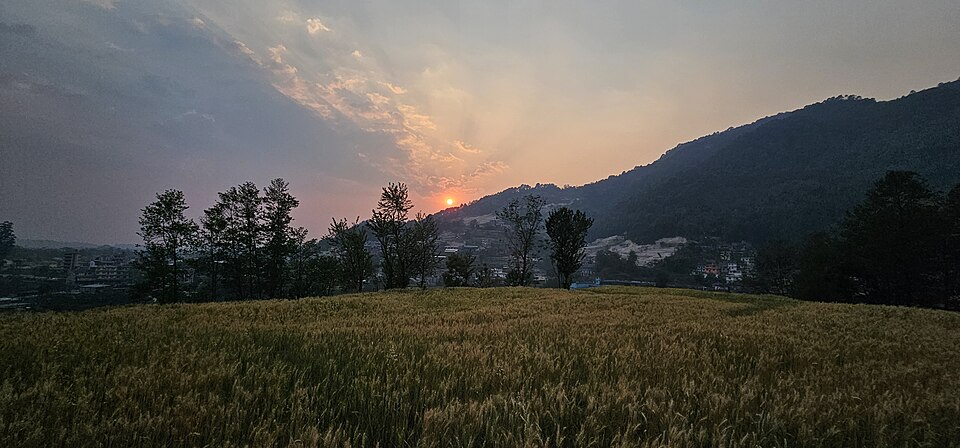
A Different Pace Just Beyond Kathmandu
Kathmandu Valley is known for its famous heritage squares, temples and Buddhist stupas, but its character extends well beyond these landmarks. Kirtipur's traditional streets, Bungamati's woodcarving heritage, Khokana's agricultural traditions and Pharping's sacred landscape reveal different aspects of the region's cultural life. Meanwhile, Chandragiri and Shivapuri offer opportunities to experience the valley from its surrounding hills, whether through a viewpoint visit or a walk in the forest.
Exploring these destinations also reveals the relationship between cultural heritage and everyday life. Traditional houses belong to neighbourhoods where people live and work, craft traditions have developed across generations, and temples and monasteries continue to serve religious communities. In natural areas, the landscape becomes the focus, encouraging visitors to spend time walking rather than moving between monuments. Approaching these places with curiosity and respect creates a more meaningful understanding of the Kathmandu Valley.
A day away from the crowds does not always require a long journey from the capital. A short drive followed by an unhurried walk through an old settlement, time spent at a sacred site or a few hours on a forest trail can reveal another side of Nepal. For anyone searching for quiet places near Kathmandu, the surrounding valley offers cultural, spiritual and natural experiences that can be enjoyed at a more relaxed pace.
Discover Quiet Places Near Kathmandu
Frequently Asked Questions
1. What are the best quiet places near Kathmandu for a day trip?
Kirtipur, Bungamati, Khokana, Pharping, Chandragiri and Shivapuri are good options for a day away from Kathmandu's busy tourist areas. They offer a mix of traditional Newar culture, sacred sites, hilltop views and forest walks.